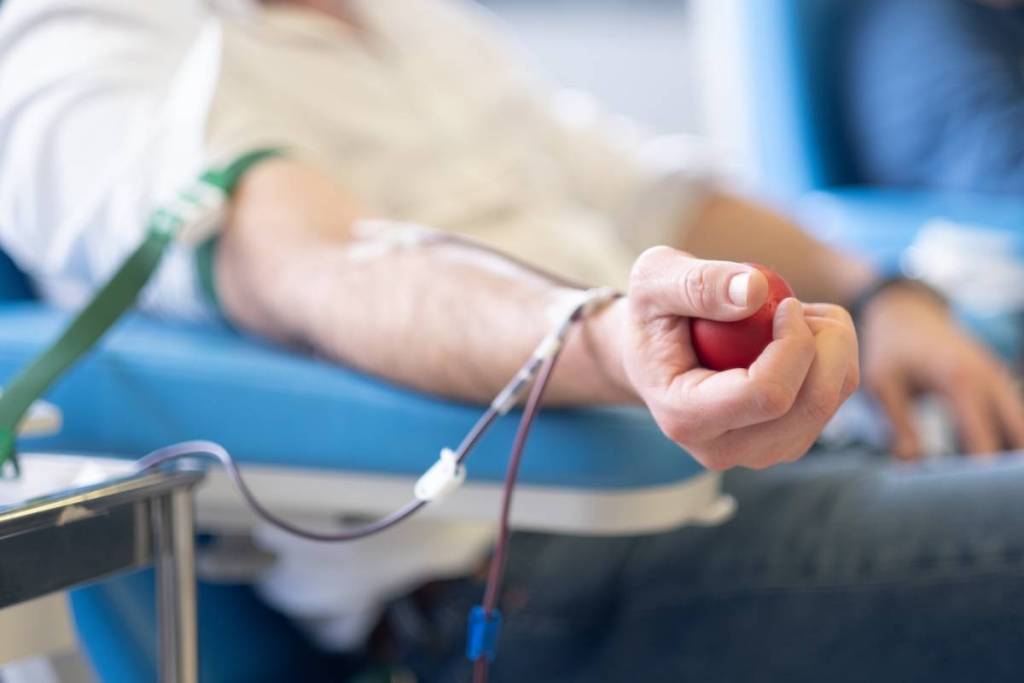

Blood banks serving Seattle and the rest of the Northwest are facing critically low supplies, prompting health officials to encourage anyone who is eligible to roll up a sleeve and donate—particularly those with type O blood.
According to the Washington State Department of Health, a single pint of donated blood can help save up to three lives by providing red blood cells, plasma, or platelets. Meeting the region’s needs requires more than 1,000 blood donors every day, Bloodworks Northwest President and CEO Curt Bailey told the DOH.
“This shortage is especially concerning because we’re in the middle of what’s known as the 100 Deadliest Days,” Bailey said. “That’s the period between Memorial Day and Labor Day when teen car crashes spike and donations drop. Last month, we had to bring in a record amount of blood from other parts of the country to keep up with the demand for blood locally. It’s vital to donate blood to keep our community safe this summer.”
The shortage extends well beyond Washington. The American Red Cross recently issued only the second national blood appeal in its history, reporting that summer donations have fallen to their lowest level in four years. The organization has less than a one-day national supply of O-positive blood—the most commonly transfused blood type—and has begun limiting shipments to hospitals.
Summer often brings seasonal declines in blood donations as vacations, school breaks, and busy schedules keep people away from donation centers, even as demand remains steady for trauma care, surgeries, and cancer treatments. Plus, increased outdoor activity in the summer can lead to more injuries and a greater demand for blood. This year, the Red Cross says extreme heat, poor air quality, and foodborne illnesses have further reduced donor turnout.
Seattle-area residents can donate through Bloodworks Northwest or the American Red Cross in three easy steps:
- Before scheduling an appointment, check your eligibility online.
- Book a visit at a nearby donation center or mobile drive. Find the location closest to you via the American Red Cross or Bloodworks NW.
- Prepare by drinking plenty of water, getting a good night’s sleep, eating a healthy meal or salty snack, and bringing a valid ID.
While the actual blood draw takes about 10 minutes, the full donation process typically lasts about an hour. If you walk in without an appointment, prepare for a potential wait.
One donation can make a lifesaving difference for as many as three patients.