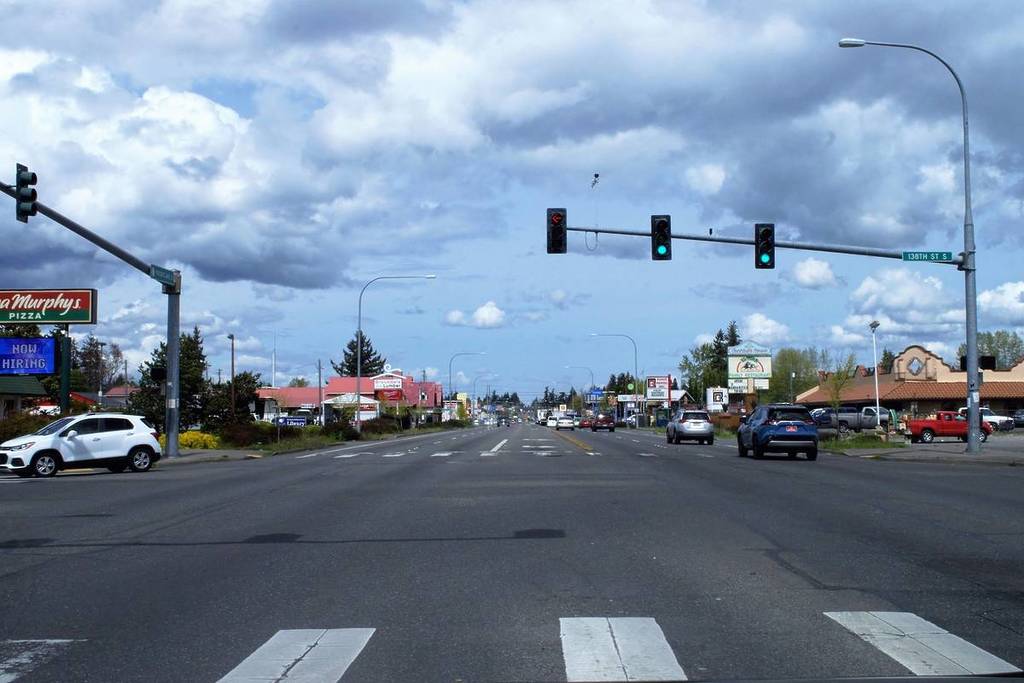

A proposal moving through the Washington Legislature could reshape how WA cities like Seattle use commercial land—and potentially turn empty strip malls into future housing.
Known as Senate Bill 6026, the measure would require mid-sized cities and urban counties (those with more than 30,000 residents) across Washington State to allow housing in areas currently zoned only for commercial use. The bill is sponsored by Emily Alvarado of West Seattle at the request of Governor Bob Ferguson.
“This is one way to increase access to affordable housing,” Ferguson said. “For example, an abandoned strip mall or shuttered big-box store could be turned into housing without having to go through the process of changing its zoning to residential.”
What does the bill propose?
If passed, the law would make it easier to redevelop underused properties—like vacant big-box stores or aging strip malls—into apartments. It would also prevent cities from requiring retail space on the ground floor of those developments, removing a common barrier to housing construction.
Critics worry that many commercial areas sit near busy roads, exposing future residents to higher levels of noise, pollution, and traffic risks. Still, supporters like Senator Jessica Bateman argue flexibility is key. She said the bill would remove outdated restrictions while still allowing cities to ensure neighborhoods remain livable and walkable.
Supporters say the zoning change could speed up affordable housing production. As Ferguson’s office put it:
“Washington needs to make it easier, and more affordable, to create more housing units of all kinds — faster. This is one way to increase access to affordable housing. For example, an abandoned strip mall or shuttered big-box store could be turned into housing without having to go through the process of changing its zoning to residential.”
When will the bill go into effect?
As of March 2026, the House passed SB 6026 with a couple of amendments, and the Senate also approved it. Some proposed changes didn’t make it in, including a loophole that would have allowed apartment buildings to count shared amenity spaces (like gyms or lounges) as retail space on the ground floor. The bill was originally requested by Ferguson, so it is very likely the governor will sign it into law once the Legislature gives its final approval.
After the law takes effect, cities will have 18 months to update their local rules to follow it. However, they won’t have to change their long-term growth plans right away—those updates can wait until their next major planning cycle, which starts in 2031.