
Seattle voters gave a strong thumbs-up to the city’s latest library levy this week, approving the 2026 Library Levy Proposal with 72% of the vote.
The seven-year levy will invest nearly $480 million in the Seattle Public Library system from 2027 through 2033, replacing the expiring 2019 levy. That earlier measure currently funds about one-third of the library’s budget, helping pay for everything from library hours and book collections to building maintenance and online services.
For homeowners, the levy is expected to cost about 23 cents per $1,000 of assessed home value. According to the Seattle City Budget Office, that works out to an average of about $193 per year for a home with the city’s median assessed value.
Wondering what the levy will pay for? The funding will support all 27 Seattle library branches, keeping current hours in place while expanding collections of physical books, e-books, and audiobooks. It will also pay for more free programs, including story times, literacy initiatives, workshops, and classes for all ages.
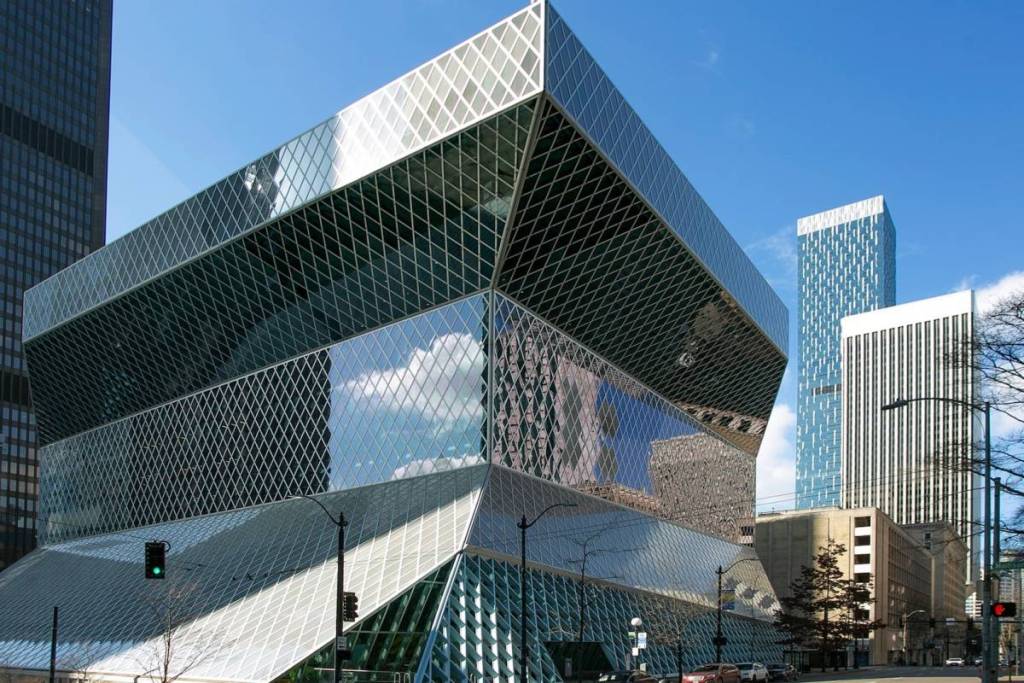
Beyond books, the levy includes funding for building upgrades and technology improvements. Plans include replacing aging heating and cooling systems, improving ADA accessibility, strengthening cybersecurity and IT infrastructure, and adding more security officers and upgraded security systems to library facilities. The measure also sets aside $10 million for a major renovation of public spaces at the Central Library.
Another component is the creation of a new Office of Inclusion and Belonging, which will focus on diversity, equity, inclusion, and accessibility initiatives across the library system.
The outcome wasn’t much of a surprise. Seattle has a long history of backing library funding, and the 2019 library levy received similar support, ultimately passing with 76% of the vote after all ballots were counted.
The new levy ensures the library system will have dedicated funding to continue services, maintain facilities, and invest in future improvements over the next seven years. For a detailed breakdown of the levy proposal’s components, you can visit the SPL website.