Planning to visit Mount Rainier National Park this summer?
This may be Washington’s most stunning national park, with an active volcano at the heart of it. Visiting Rainier is a bucket list item for sure, but summer crowds can sometimes take the fun out of it. We have some guidelines for making the most of your summer visit! There also are some current road closures and temporary bans that every visitor needs to be aware of—plus some evergreen tips and rules for those who have never been before.
Here’s what you need to know before visiting Mount Rainier National Park this summer:
1. Carbon River/Fairfax Bridge and Sunrise Road are closed
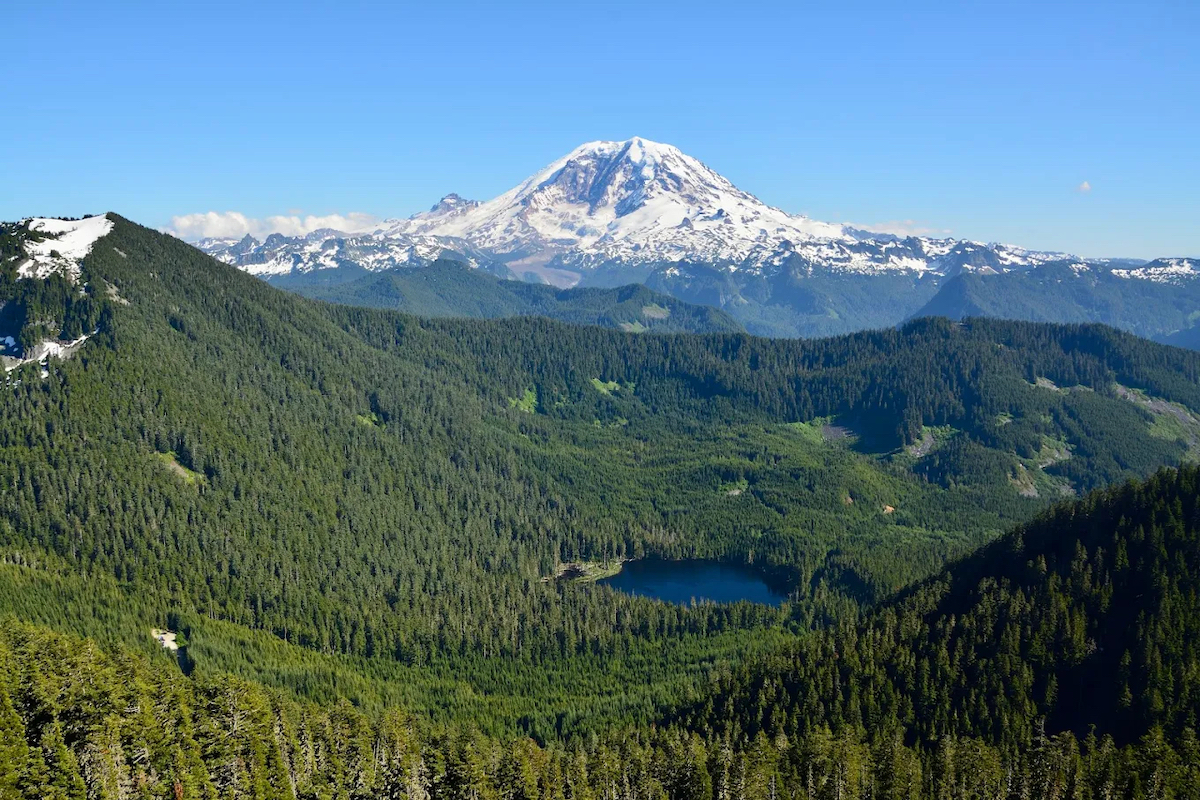
Sunrise Road in the northeast corner of the park is still closed but is estimated to open for the season in early July. If you need to access the campground you can take State Routes 123/410, Stevens Canyon, or White River Road.
Another current closure is the Carbon River/Fairfax Bridge. This means no public access to Carbon River and Mowich Lake from State Route 165 (by car or on foot) and there’s no alternate route. This also cuts off public access to popular spots in the park such as the Tolmie Peak Lookout, Summit Lake, and Spray Park Trail. There is no projected opening date yet.
2. Timed entry reservations are required for the Sunrise Corridor
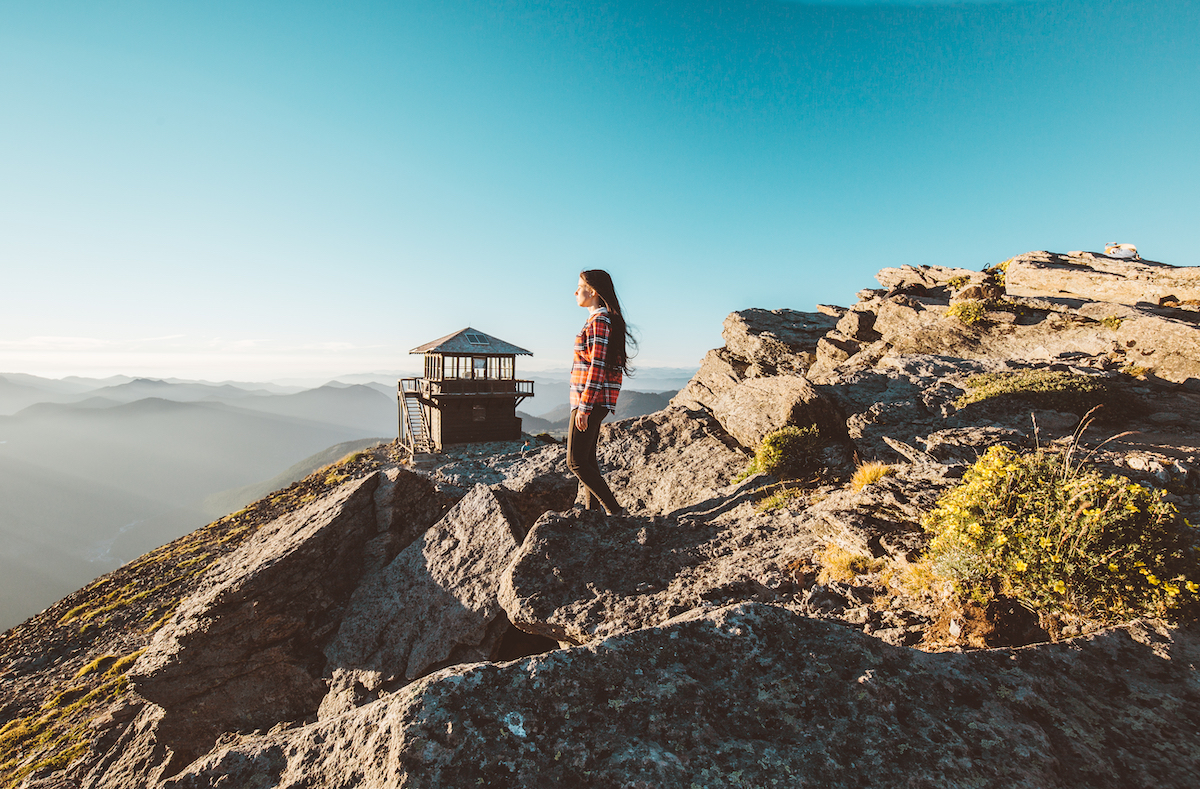
If you’d like to visit the Sunrise Corridor in the northeast corner of the park this season between 7:00 a.m. and 5:00 p.m. you’ll need to make a timed entry reservation here. It’s only good for one day/vehicle and is required in addition to the park entrance fee or your park pass. This area includes the popular Mount Fremont fire lookout.
You can visit the Sunrise Corridor without a timed entry reservation if you go before 7:00 a.m. or after 5:00 p.m.
The Sunrise Corridor is the only area requiring timed entries; the Paradise Corridor timed entry pilot is paused for 2025.
3. There are five entrances: know which one you need

There are five entrances into Mount Rainier National Park. You’ll want to know which one you need for your destination inside the park; per the park website, “not every area of the park can be reached via every entrance and it can take hours to drive to different areas.” You may want to download the free NPS app, which has planning tools and an entire Mount Rainier National Park section that you can download before your visit to use offline (there is very limited cell reception in the park).
Not sure which area of the park you’d like to explore? Mount Rainier National Park has a wide variety of trails ranging from easy and accessible to all, to extremely challenging. Here are some family-friendly and day hikes, trails for people with limited mobility, and a full list of the park’s trails here.
4. Pick the best days and times to avoid the summer crowds

The best days to visit Mount Rainier National Park in the summer are weekdays! You can also come earlier or later in the day for minimum traffic and maximum parking spots. Whatever you do, try to avoid visiting on summer weekends.
5. There may be snow or wildfire smoke
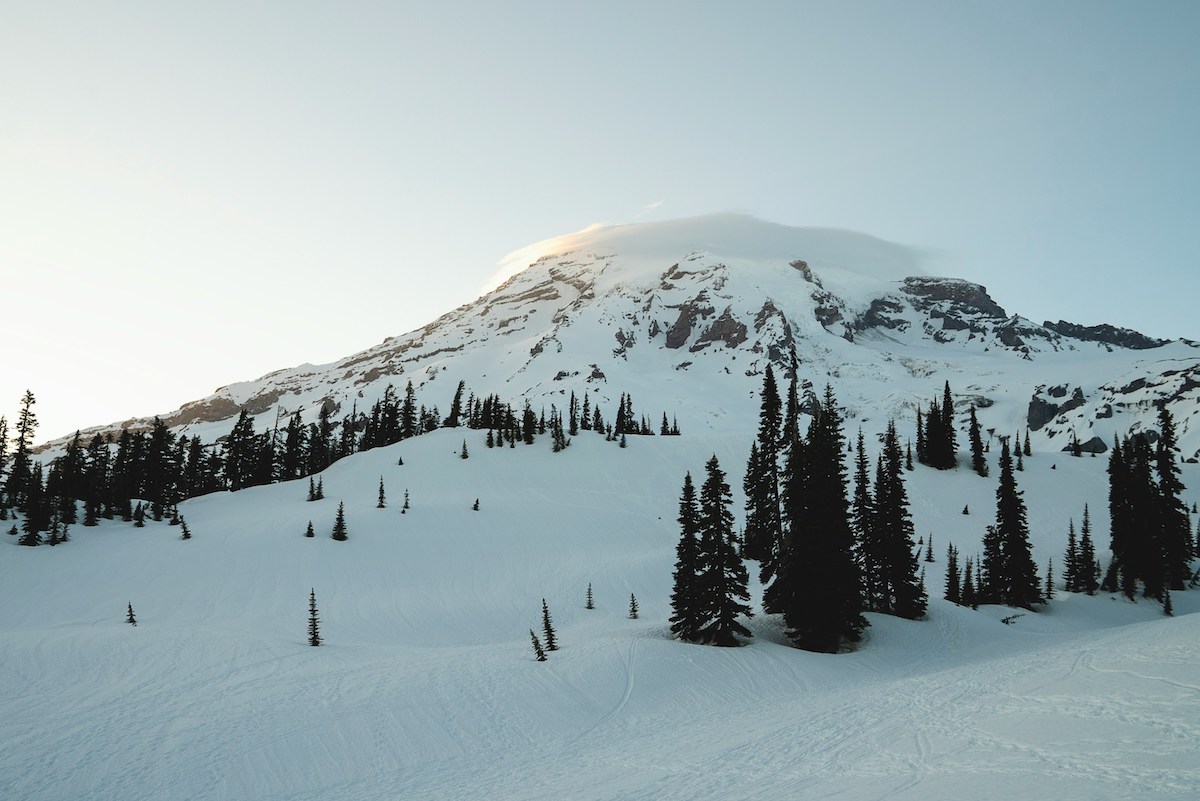
If you visit Mount Rainier National Park in June or even early July, be prepared to encounter snow. Always check the park’s weather ahead of time.
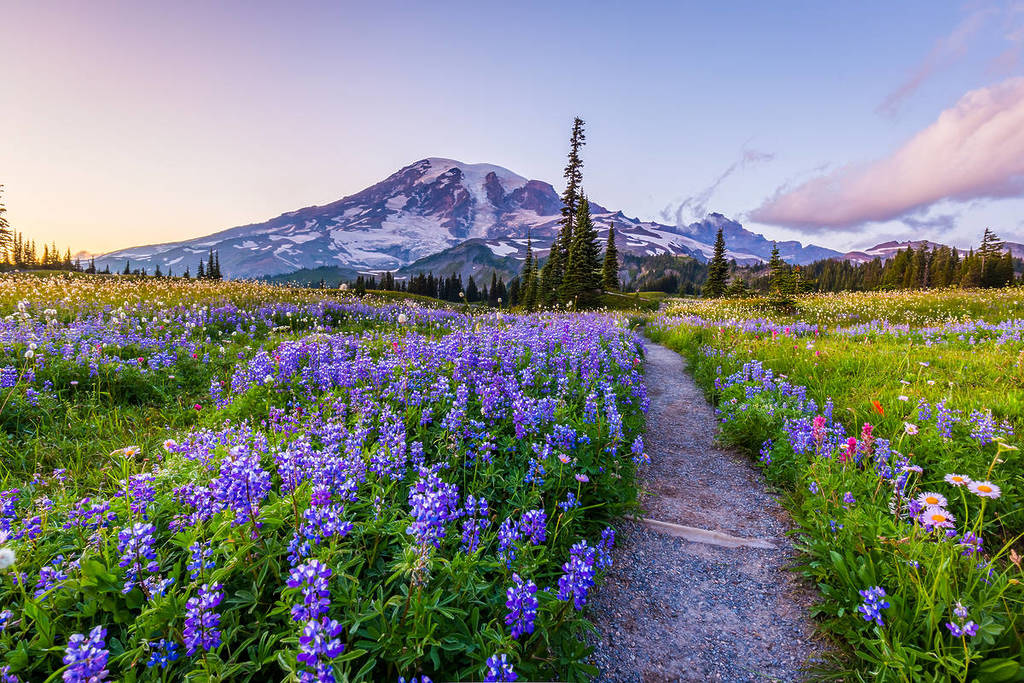
If you’d prefer to see flowers rather than snow, go in late summer. The best time to visit to see wildflowers is in August. Please do not pick any flowers or walk on the wildflower meadows.
Unfortunately wildfire season often starts in August and continues into the fall, so keep that in mind. You can check the park’s air quality here before you go.
6. There is a park-wide burn ban in effect

As of June 10, 2025 there is a fire ban across all of Mount Rainier National Park due to the risk of wildfires. The ban includes all campfires as well as “the ignition of wood, briquettes, or any fuel in fire pits, fire pans, and barbecue grills.” Fireworks in the park are always prohibited. What is permitted is the following: “use of portable, petroleum-filled cooking stoves, heating devices, and/or lanterns using liquefied or bottled fuel.” Read more about the fire ban.
7. Leave your pets at home
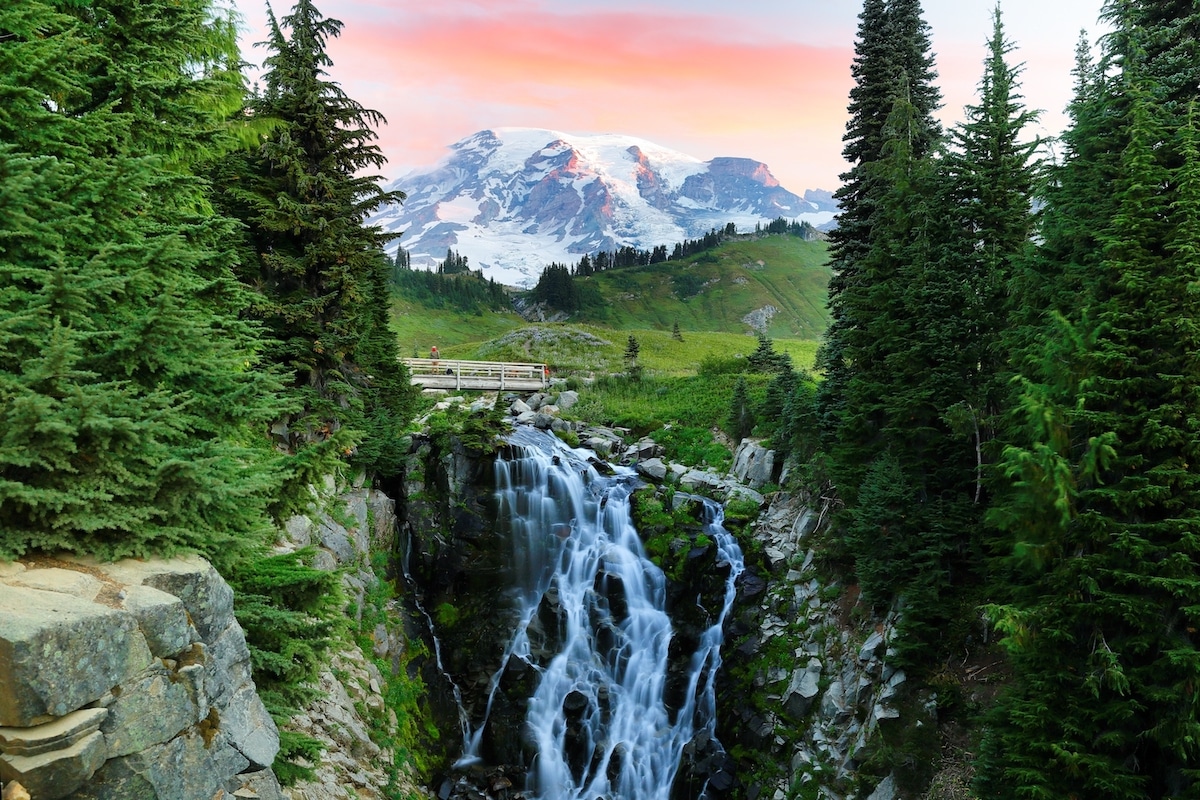
Pets are not allowed on Mount Rainier National Park trails, wilderness areas, on snow, or in public buildings. They are allowed in campgrounds and on paved roads, as well as in parking lots—but it is unadvisable to leave your pet in the car, since it can get dangerously hot for them in the summer. If you want to see more information, read about pets in Mount Rainier National Park here.
8. Plan ahead to stay overnight
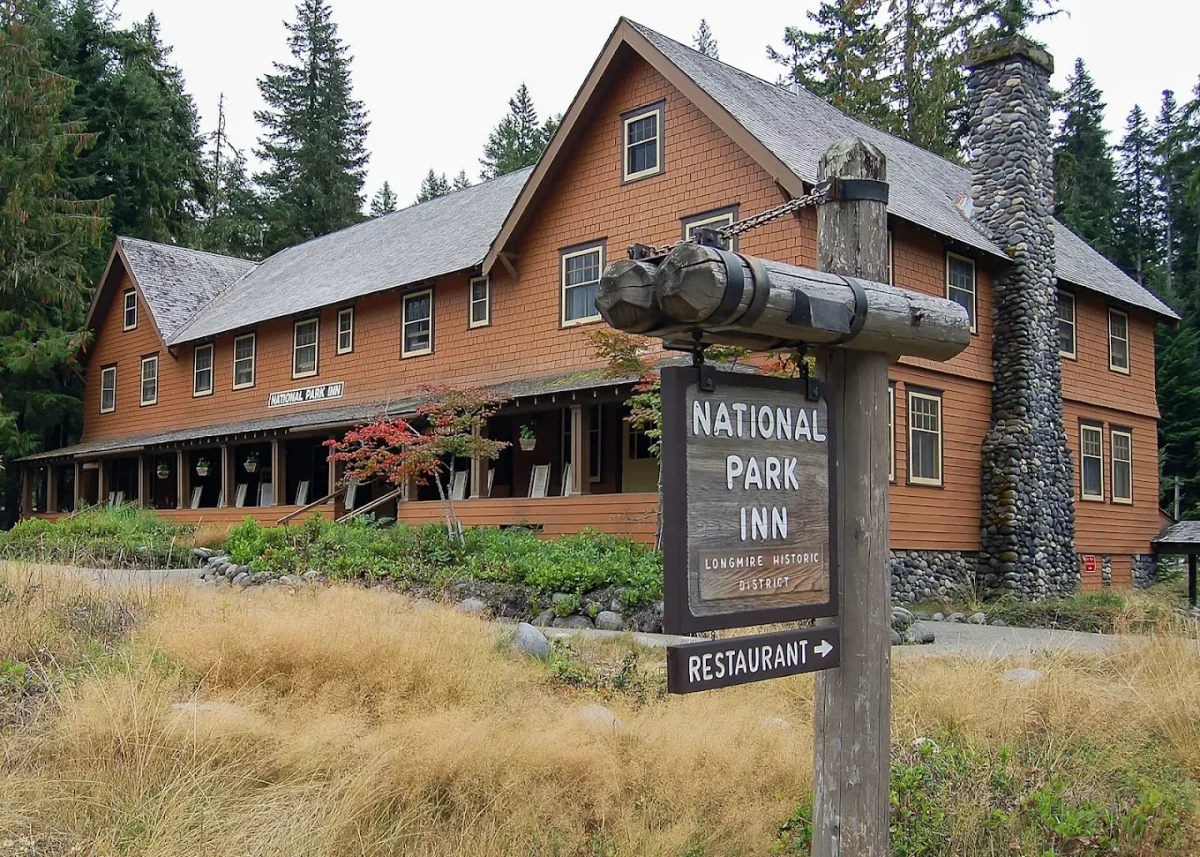
Do you want to stay overnight in Mount Rainier National Park? There are several options, but they all require planning ahead. There are two car campgrounds operating in summer 2025; you can reserve a campsite here. You can also do wilderness camping, which requires a permit.
If you desire more amenities, you can reserve a room at one of the park’s two hotels: National Park Inn at Longmire or Paradise Inn.
Happy hiking, and remember: leave no trace!