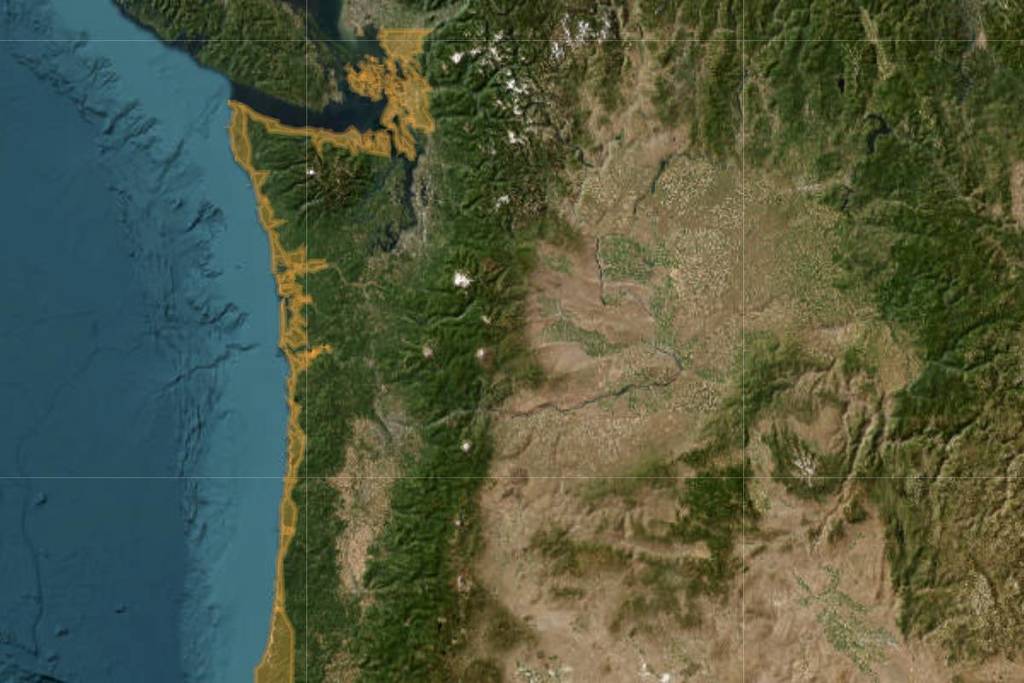
Due to a 8.8-magnitude earthquake in Russia on July 29, a tsunami advisory was issued for the coastline of Washington and the rest of the West Coast. There is no expected threat from the tsunami in Seattle, but it’s important to be aware of the advisory if you or loved ones are near the Washington coast. Even after the threat of tsunami waves is gone, strong currents can pose a risk to swimmers and boaters.
Read on for all the details!
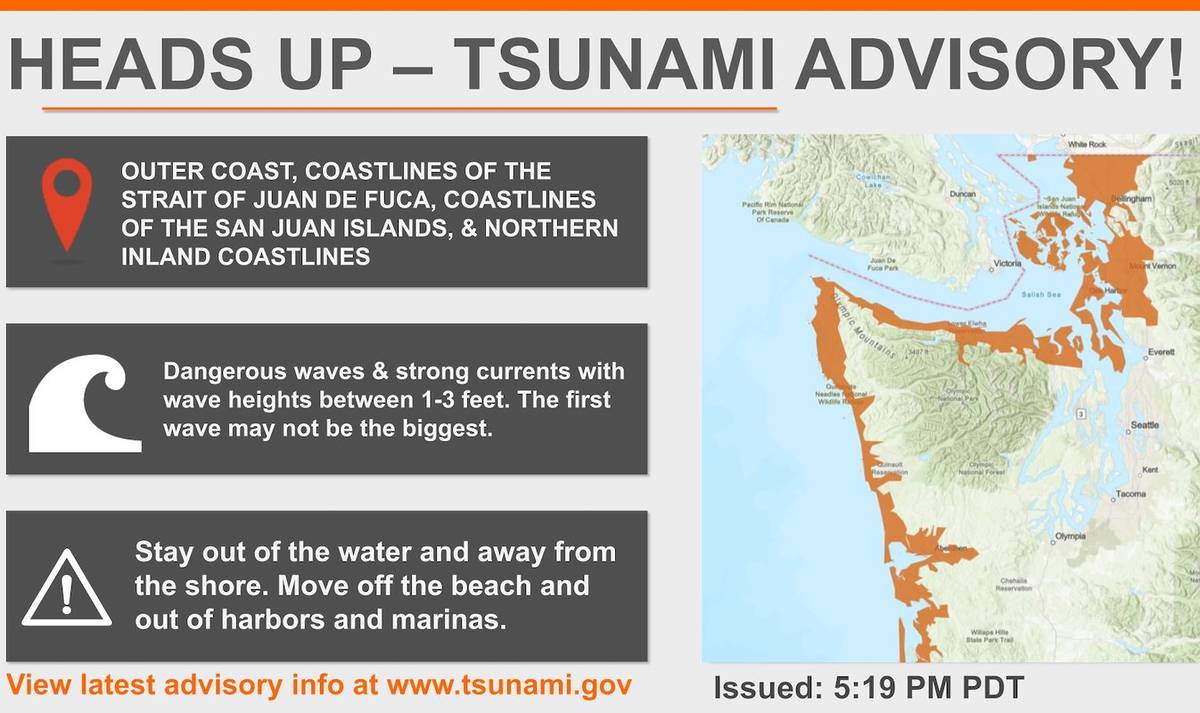
The initial tsunami advisory for Washington state included the outer coast, coastlines of the Strait of Juan de Fuca, coastlines of the San Juan islands, and northern inland coastlines. Tsunami waves were recorded overnight along the Washington coast at places such as La Push and Westport as well as the Strait of Juan de Fuca. By 11:00 a.m. on July 30, the tsunami advisory for Washington was cancelled.
You can see the areas in Washington that were included in the advisory in this graphic that was shared by NWS Seattle at 7:35 p.m. on July 29:
The tsunami advisory also extended to Oregon and California as well as a tsunami warning (the highest alert tier) in Hawaii. As of July 30, many of the advisories have been lifted and beaches have reopened along the West Coast. Officials are still calling for caution in and near the water along the West Coast today.
According to a post on X by the National Weather Service, significant flooding of coastal areas is not expected. However, when a tsunami advisory is in effect it is essential for swimmers and boaters to stay out of the water due to the risk of strong currents.
Although tsunami advisories are rare in Washington, it’s a good idea to be familiar with the procedures involved. We have many beach towns in Washington that Seattleites love to visit. Plus, according to Seattle Office of Emergency Management, there is potential threat to Seattle from future tsunami waves: “Although Seattle is on the inner coast, after a major earthquake on the Seattle fault, we could find parts of the city inundated with water from tsunami waves.”
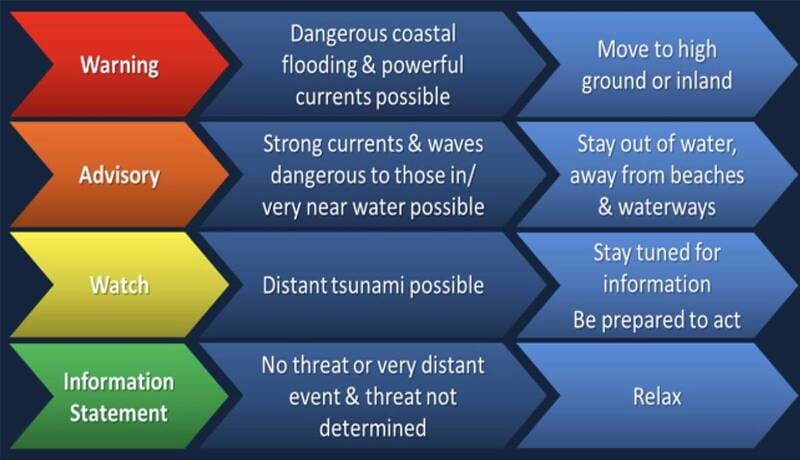
Below you can see a chart that breaks down the levels of tsunami alerts and what to do in each instance:
Planning a trip to the Washington coast or one of the islands that were included in the tsunami advisory? You can stay updated by visiting tsunami.gov as well as the National Weather Service.