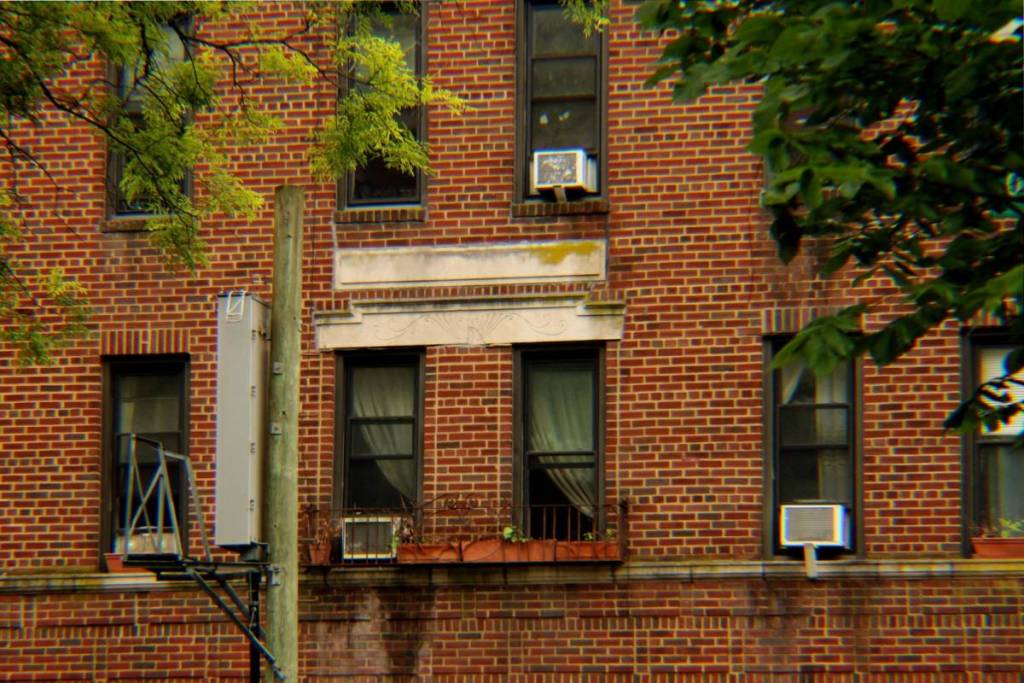

As the Seattle area exits another stretch of unusually hot weather, Washington renters should know that they have a new legal protection that could make staying cool a little easier. A state law that took effect in June now gives many tenants the right to install portable air conditioning units, marking a significant shift in rental rules that were written for a much cooler Pacific Northwest.
For years, Washington law offered little direction on whether renters could add their own cooling equipment. In many cases, landlords could simply refuse a tenant’s request to install an air conditioner. Senate Bill 6200 changes that by allowing renters to install portable AC units unless their lease specifically prohibits them.
The legislation was co-sponsored by Sen. Vandana Slatter, a Democrat from Bellevue, who said the state’s rental laws no longer reflect today’s climate. “Washington’s rental laws were written for a climate when most people didn’t need air conditioning,” Slatter said. “The world is changing, and summers are now hotter, and wildfire smoke keeps people indoors.”
That reality is especially familiar across the Seattle region. Air conditioning was once uncommon in the Pacific Northwest, but increasingly hot summers linked to climate change—and complicated further by wildfire smoke—have driven more households to install cooling systems. Today, more than half of homes in King, Pierce, and Snohomish counties have air conditioning.
The new law includes different rules depending on the type of cooling unit a renter wants to use. Window-mounted air conditioners are subject to the most requirements. Tenants must notify their landlord at least two days before installation. The unit cannot interfere with the ability to lock a window that is accessible from outside, and it cannot require excessive mounting brackets that could void a window frame warranty. Window units also must be securely installed to prevent them from falling, and they are only allowed if the landlord’s insurance policy permits them. In addition, landlords may require an inspection after installation.
Other cooling options, including floor-mounted portable units and saddle-mounted air conditioners, face fewer restrictions under the new law.
Landlords still retain the ability to deny an air conditioning unit in certain circumstances. They can reject a request if the building’s electrical system cannot safely support the additional power demand, if the unit has been installed improperly, or if it is causing substantial property damage.
Not everyone supported the legislation. The Multi-Family Housing Association, which represents landlords, argued that the law does not include enough safeguards governing the installation of window-mounted air conditioners. Even so, the measure reflects Washington’s growing recognition that access to indoor cooling is becoming increasingly important as hotter summers become more common across the Seattle region.