
Millions of Americans may now qualify for Canadian citizenship—without realizing it. A sweeping update to Canada’s citizenship rules, known as Bill C-3, has now taken effect, removing decades-old limitations and creating a clearer path to dual citizenship.
According to the Citizenship and Immigration Canada (CIC) website, the revised legislation amends Canada’s Citizenship Act by eliminating the “first-generation limit,” a rule that once prevented many Canadians from passing citizenship to children born outside the country. With that barrier gone, eligibility has expanded significantly. For individuals born before December 15, 2025, citizenship by descent is now far more accessible: if you can trace your lineage to a Canadian ancestor—whether a parent, grandparent, or even further back—you may qualify, regardless of where you or your relatives were born or lived.
For those born after that date, the process includes one added condition. If a Canadian parent was also born abroad, they must demonstrate a “substantial connection” to Canada, typically meaning at least three years of residence in the country before their child’s birth. Importantly, these rules apply equally to biological and adopted children.

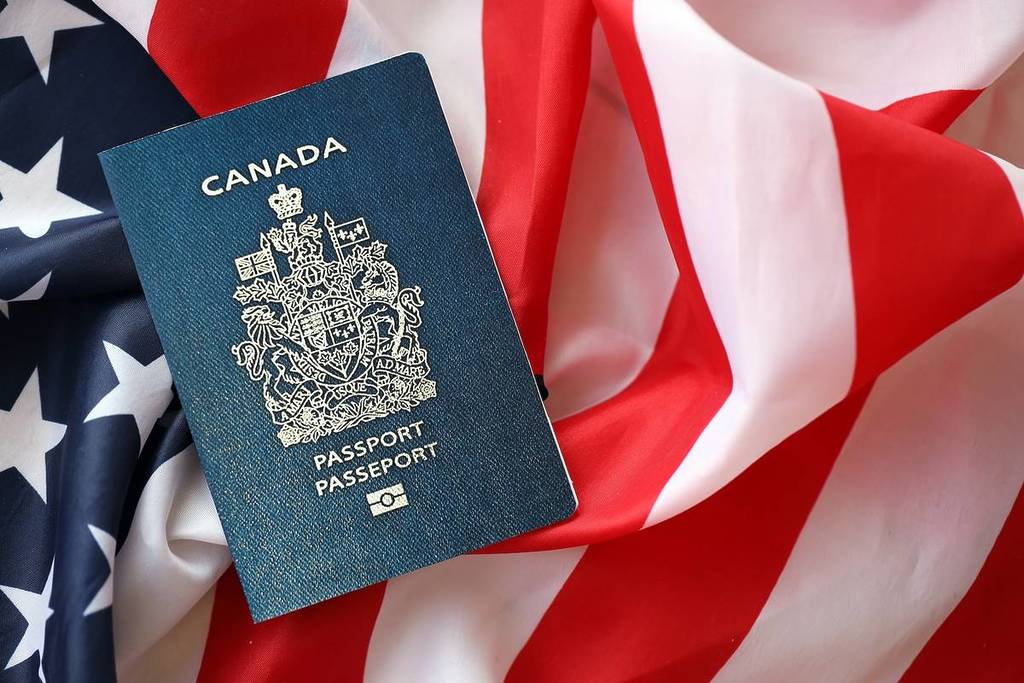
The benefits of dual U.S.-Canadian citizenship can be significant. Eligible individuals gain the right to live and work in Canada, access services, and obtain a Canadian passport—often considered one of the world’s more travel-friendly documents.
How to claim your Canadian citizenship
To apply, candidates must compile thorough documentation, including birth, marriage, or adoption records, along with proof of their ancestor’s Canadian citizenship. Accuracy and consistency across generations and jurisdictions are essential for approval. You can find more information at Immigration.ca.
The change is especially intriguing for residents of the Pacific Northwest. Many Seattleites, with their close geographic and cultural ties to Canada, have long felt a kinship with their northern neighbor. For those who already love weekend trips to Vancouver, this legal shift could turn a casual connection into an official one—complete with a second passport.